I keep hearing the same setup from restoration owners who think their phones are covered.
They have a Google listing number. An insurance program number. A property manager number. An old truck magnet. A franchise line. A local SEO landing page. Maybe a mold page with its own click-to-call.
Count them. A four-tech shop can easily have twenty published numbers. Every one of them dumps into the same person at HQ.
Then a water heater lets go in a garage at 7:10 at night. The homeowner calls the number they found first. That person is on a job, or already gone for the day. The call hits voicemail in a few seconds.
I am Jacob. I am going to stay on this one water heater. If every path into your company ends in one inbox, you do not have twenty ways to win the job. You have twenty doors into the same no.
You can see how we set this up at https://www.dialhank.com.
Stay on this one loss: the garage water heater
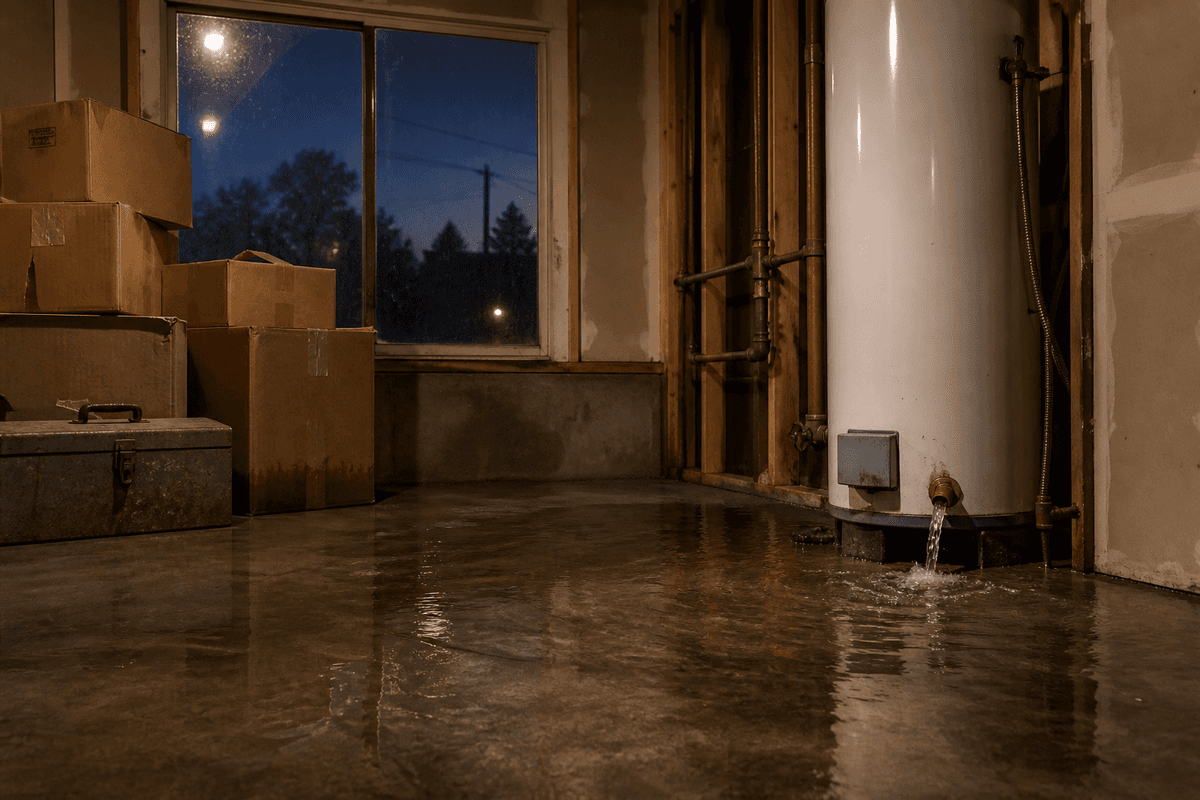
It is a weeknight. The tank in the garage fails. Not a slow drip under a pan. Water is pouring onto the concrete, heading for the door into the house, soaking cardboard, tools, and anything stored on the floor.
The homeowner shuts what they can find. Or they do not. Either way, they want someone who does water restoration tonight, not a plumber quote for next Tuesday.
They search. They tap the first number. Maybe it is your Google listing. Maybe it is the number on a magnet still stuck to the fridge from three years ago. Maybe an insurance desk already gave them your program line.
If that call rings one cell phone and dies in voicemail, the next shop gets the garage. The water does not wait for your morning board.
What that call actually sounds like
I am keeping this on the water heater on purpose. Generic "missed call" talk is how these posts get soft.
What they say first
"My water heater is flooding the garage. Can you come now?" That is the brief. They are wet. They may have towels on the step into the kitchen. They are not shopping a rebuild. They want mitigation.
What your tree actually does
The Google number, the program number, the old truck number, and the website number all forward to the same desk or the same cell. After hours, that is one human. One miss and it is a greeting, a beep, and silence.
What happens next
The homeowner does not leave a long message. An insurance program desk almost never leaves one. They dial the next restoration company while the concrete is still shiny. In the morning you have a voicemail and no job.
What I keep hearing from owners
I have been on a lot of onboarding calls lately. The pattern is not "we need a prettier greeting."
It is this: a small shop grew phone numbers the way shops grow trucks. Every channel got its own dial string. Property managers got a direct line. Google got a tracking number. Insurance programs got a dedicated line so the desk would stop yelling. Old marketing never got cleaned up.
Then the office changed. Intake moved. Someone who used to sit on the phones all day is now buried in job files and billing. The numbers stayed. The person did not.
So at 7:10, when the water heater goes, twenty published ways into your company still land on one tired path. If that path is out, the flood is not a lead. It is a recording.
Owners know this. They feel it when a program desk says they called and got voicemail. They feel it when a property manager says they used "the number you gave us" and nobody answered. The water heater is just the loss that makes the map obvious.
What the first two minutes have to do
If you are looking at after-hours coverage for a restoration company, use this list on the water heater. Not a feature page.
- List every published number. Google, website, trucks, magnets, insurance programs, property managers, franchise directories, old ads.
- Trace where each one rings after 5pm. If they all hit the same cell or the same desk, you have one path, not twenty.
- Ask if that path can still reach a live person when the first on-call is on a job.
- On a water heater flood, ask if the tank is still dumping, whether the house side is wet, and the address before you promise a time.
- Do not leave a panicked homeowner in a mailbox. A message is not a dispatch.
- Insurance program jobs go to the first contractor who says yes. A voicemail is a lost assignment.
- Write the loss as a water heater flood with rooms affected. Not "callback, heater."
- Leave a recording. When someone says they called your program line and got nothing, you want the tape.
Twenty numbers is not twenty coverage
Here is the split I keep drawing with owners.
Published numbers are marketing. Coverage is what happens when someone dials after hours.
You can win the click on Google and still lose the garage if that tracking number dies in the same voicemail as the old truck magnet.
You can impress an insurance program with a dedicated line and still lose the desk when that line has no overflow.
The water heater does not care which channel found you. It cares whether a human (or a backup that knows restoration) is still on the other end.
If your audit shows twenty inbounds and one after-hours path, you are not diversified. You are concentrated. That is fine at 10am. It is how you lose 7:10pm.
How I define a pass
I judge this with one test on the water heater call.
Would a homeowner who dialed your Google number, your program number, or the sticker on the old van still reach someone who can take the loss tonight?
If the answer depends on one person picking up their cell, you fail the test the first time that person is under a ceiling or asleep.
Pickup on one path is not the same as coverage on every published number. The shops that keep these jobs are the ones whose tree still has a live next step when the first human misses.
How I set this up with owners
When I walk this at https://www.dialhank.com, I start with the garage floor, not a feature list.
We map the numbers. We point the ones that still matter at a chain that tries your people first. Then overflow that knows a water heater flood is mitigation, not a morning callback.
Hank answers as your company. On this call it should ask if the tank is still dumping, whether water reached the house, and the address. Then it should try your emergency people. It should not congratulate itself for a neat voicemail transcript.
You can keep humans first. That is what most owners want. The point of overflow is that the second or third ring of the night does not die because every published number still points at one tired inbox.
Plenty of shops cleaned up ads and never cleaned up the phone tree. The water heater finds that gap every time.
A note on program desks and messages
I am not going to name programs. I will say what owners tell me in plain words.
When an insurance desk is assigning a live water loss, they are not leaving a voicemail and waiting. They move to the next contractor who picks up and says yes.
Same idea for a property manager with a vacant unit and a dead water heater. They have a list. Your dedicated number only helps if a live path sits behind it.
A message feels productive. On a garage flood it is how you explain a job you never got.
A simple audit you can run this week
Pull every number a customer or desk could dial to reach you. Call each one after hours from a personal phone.
How many ring a live person?
How many hit the same greeting?
How many die in voicemail in under three seconds?
Then pull last month's water heater, "tank leaking," and garage flood calls. How many started as a callback request because nobody answered?
If most of your published numbers share one after-hours fate, you do not need more tracking numbers. You need a next step that still works when the first human is busy.
Do this with ops, not marketing. Listen to the tape. Walk the forward. Ask if you would still win the garage at 7:10. If the answer is no, fix the tree before you buy another click-to-call.
Questions restoration owners ask me about phone trees
Why do we keep missing jobs when we have so many phone numbers?
Because published numbers are not coverage. If twenty lines forward to one after-hours path, one miss is twenty misses. On a water heater flood, that is a voicemail and a lost garage.
Should we delete old tracking numbers?
Clean what you can. Magnets and old ads will still exist. The real fix is making sure every number that still rings you has a live next step after hours, not a single cell with no overflow.
Is a voicemail okay if we call back fast?
For a water heater dumping on concrete, no. The homeowner and the program desk will dial the next shop while you are still listening to the message. Speed of callback does not beat a live answer.
Do insurance program lines need different after-hours handling?
They need a live path. A dedicated number that dies in the same mailbox as your Google listing is not a program line. It is a sticker. Ring the people who can say yes tonight.
Where do I start if our tree is a mess?
Call every published number after 5pm. Write down what happens. Then look at overflow that can sit behind your people, like we run at dialhank.com. Fix the shared after-hours path before you add another tracking number.
The Bottom Line
A water heater flood is a simple loss that dies in a simple way. The homeowner finds one of your many numbers. That number still points at one person. That person misses it. The job goes to whoever answers next.
If you run a restoration company, that is not a branding problem. It is a phone tree problem.
I built Hank to sit in that gap. You can see it and book time at https://www.dialhank.com. Bring a list of your published numbers. We will dial them the same way a homeowner would, and we will stay on the garage floor.
If they all hit the same voicemail, that is the work. Give every path a live next step. Then the next water heater is a job, not a beep.


