Back to blog
Strategy
9 min read

The Washer Hose Blowout: Why Emergency Restoration Calls Still Need a Human Handoff

Jacob Korniak

Jacob Korniak

Co-Founder, CRO

August 17, 2026
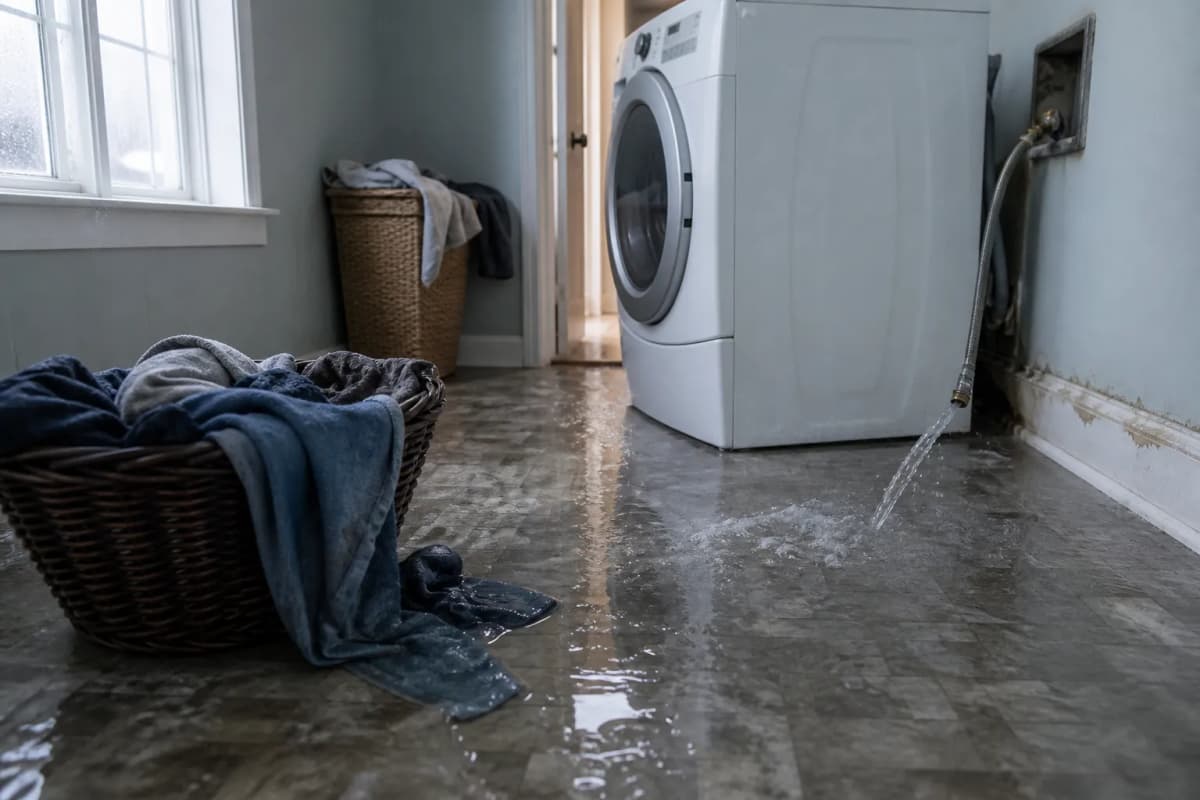
A residential laundry room after a washing machine supply hose blowout, water spraying onto the tile floor, a soaked laundry basket, and wet baseboards. No people or logos.

The hose is still spraying.

The homeowner wants a person.

I was on a call last week with a restoration owner who just opened his shop. He is still mostly a one-man crew. A couple of part-time techs. A phone that is also his personal cell.

He asked me a question I hear a lot, and it was not about software.

He said, what happens when a homeowner is standing in a flood and they think they got a robot?

He was not being cute. He was thinking about a real loss. A washing machine supply hose that blows on a Tuesday morning. Water across the laundry room. The homeowner is panicked. They called you because Google said you come now.

If the first voice on the line feels fake, he thinks they hang up and call the next shop.

I told him the truth. The washer hose call is not a chatbot demo. It is a 20-second handoff. Your job is to sound like a coordinator, get the water story, and get a human on the line. That is it.

This post is for you if you run a restoration company and you are scared the after-hours or overflow voice is going to dump your best jobs. I am going to stay on the washer hose the whole way. You can see how we set this up at https://www.dialhank.com.

Stay on this one loss: the washer hose

Picture the loss. Not "water damage." A rubber washer hose that lets go behind the machine.

The homeowner hears a hiss, then a roar. They open the laundry door and the floor is a pond. The basket is floating. Water is already under the baseboard and into the hall.

They shut the valve if they can find it. A lot of them cannot. Then they grab the phone.

They are not comparing three companies. They are looking for a person who will tell them what to do and when a truck is coming.

If you miss that ring because you are in an attic on another job, they do not wait. They try the next name.

If someone picks up and sounds like a menu, they do the same thing. Hang up. Next shop.

What that call actually sounds like

I am keeping this on the hose on purpose. Generic water talk is how these posts get sloppy.

What they say in the first breath

"My washer hose burst. There is water everywhere. Can you come right now?" That is the whole call. They do not have a claim number. They do not know which way the water is going. They want a yes and a time.

What you need in the next 20 seconds

Is the water still spraying. Did they shut the valve. Which floor. Is it spreading into the kitchen or the hall. Anyone in the house who needs to get out of the room. Address. A callback number. Then a human who can roll.

What makes them hang up

A long script. A hold queue. A voice that asks them to press 1 for water. A promise that "someone will call you back." On a washer hose, callback is the same as missed.

The fear I hear on almost every onboarding

The owner I mentioned is not anti-AI. He uses it in the office. He is anti-losing a scared homeowner.

I hear this on almost every onboarding. Shops that just went live. Shops that still forward everything to one cell. Franchise owners who are the on-call.

The fear is the same. Emergency water. Panicked caller. If they smell a bot, they leave.

So we do not run a four-minute interview on that call. We do not try to book an inspection for a hose that is still spraying. Someone has to be on-call anyway. The voice on the line should confirm it is an emergency, take the short file, and start ringing your people.

Try the owner. Try the lead tech. Try the next name. Short rings. If the first person misses it, tell the caller you are still working it, and keep going.

That is the handoff. The washer hose does not need a personality. It needs a truck.

What a real emergency handoff has to do

If you are setting overflow for a restoration company, use this list. Not a feature page. The hose.

  • Ring your people first if they can take it. A live owner on a washer hose is still the best pickup you will ever have.
  • If they miss it after a few rings, the overflow has to answer. Voicemail is not a plan.
  • Keep the first questions short. Water still on. Valve. Floor. Address.
  • Do not book a 10am inspection for a hose that is spraying right now. That is a different call.
  • Transfer to the on-call with the file. Do not make the homeowner tell the story twice.
  • If nobody picks up the transfer, stay with the caller and try the next person. Do not dump them.
  • Sound like a coordinator, not a menu. Calm. Fast. No hold music.
  • Write it into the system you actually run, so the tech is not starting from a text that says "leak."

Try the human. Do not let the call die.

A lot of you already live this way. One number. It rings your cell. If you are on a roof, it goes to an answering service or it dies.

The answering service will pick up the washer hose. Then they will ask the homeowner to spell the street. Then they will email you at lunch. The water does not wait for lunch.

The shops I work with want a middle path. Try the human. If the human is in a crawlspace, do not lose the call. Get the short file. Keep ringing the on-call list. Get a truck moving.

That is overflow, not a replacement for your office. Plenty of you have a great coordinator from 8 to 5. The washer hose does not care about 8 to 5.

If you are a solo operator, this matters more, not less. You cannot be on every ring. You also cannot afford to sound like a call center when the one job of the morning is a laundry room filling up.

How I set this up with owners

When I walk this at https://www.dialhank.com, I start with the call, not a feature list.

Hank answers as your company. On a washer hose it should ask the same things your best person would ask, then it should try your on-call chain.

A lot of owners set it to try a human first. Their cell rings. If they grab it, the homeowner never knows there was a backup. If they miss it, Hank stays on the line and builds the file.

Emergency water is not an appointment. We do not pretend it is. We get it to a person who can leave.

Spam is the other half of that owner's fear. His public number gets junk all day. The fix is not blocking every unknown caller. The fix is asking what they need, then briefing you before a transfer. "I have a homeowner on a washer hose on Oak Street. Do you want it?" You decide.

I am not going to pretend every shop should fire the front desk. I am saying the washer hose cannot wait in a voicemail.

A note on later paperwork, without the legal stuff

You do not need a legal lecture. I am not your attorney, and I will not quote program rules here.

What I will say from the calls I am on: if this later becomes a program job, someone will ask how fast you answered and how fast you arrived. A recording and a timestamp help you explain that. A sticky note that says "leak, call back" does not.

The washer hose is still a cash job for a lot of you. Same test. Could your tech leave the shop from the note, or do they have to call the homeowner back while water moves?

If they have to start over, you did not answer the call. You delayed it.

A simple audit you can run this week

Pull last week's water calls. Listen to the ones that were a washer, a supply line, a dishwasher, or "the laundry room is flooded."

How many got a human in the first minute?

How many have an address you could dispatch from?

How many got a truck the same morning?

How many are a name on a pad?

If you are the solo owner, also ask: how many hit my cell while I was in an estimate and died?

That list is the whole product conversation. I would rather have that talk over a washer hose recording than over a demo script.

Questions restoration owners ask me about emergency handoff

Will a panicked homeowner hang up if the first voice is not a person?

They might, if you make them sit through a long script or a hold queue. They usually will not if you sound like a coordinator, ask three water questions, and start ringing your on-call. The washer hose call should be a handoff, not a survey.

Should my cell still ring first on emergency water?

If you can take it, yes. Try the human first. Set overflow so the call does not die when you are in a crawlspace. That is the setup most small restoration shops ask for when we go live.

What should we ask on a washer hose blowout?

Is it still spraying. Can they shut the valve. Which floor and which rooms are wet. Address and a callback. Then get a person who can roll. Do not turn it into an inspection booking while water is moving.

Is this only for after hours?

No. Tuesday at 10am is when a lot of washer hoses go. You are on another job. The overflow has to work in the day too, not just at 2am.

Where do I start if every emergency still hits my cell?

Listen to last week's laundry and supply-line calls. Count the ones you missed. Then look at a try-human-first overflow like we run at dialhank.com. Do not rip out your office. Fix the ring that dies when you cannot pick up.

The Bottom Line

A washer hose blowout is a simple loss that dies in a simple way. The homeowner is scared. They want a person. If the first voice feels like a maze, they call the next restoration company.

I told that new owner the same thing I will tell you. We do not try to replace you on that call. We try you first. If you cannot grab it, we keep the homeowner on the line, take the short file, and hunt your on-call list.

That is the job. Not a robot reading a menu.

You can see how this works and book time with us at https://www.dialhank.com. Bring a real after-hours or overflow recording if you have one. We will walk the washer hose the same way I did here. What got asked. How fast a human got on. Whether a tech could have left.

If the answer is no, that is the work.

Ready to capture 100% of your restoration leads?

See how Hank's 24/7 AI phone answering can help your restoration business book every mitigation job and never miss another after-hours call.

Restoration service van arrival