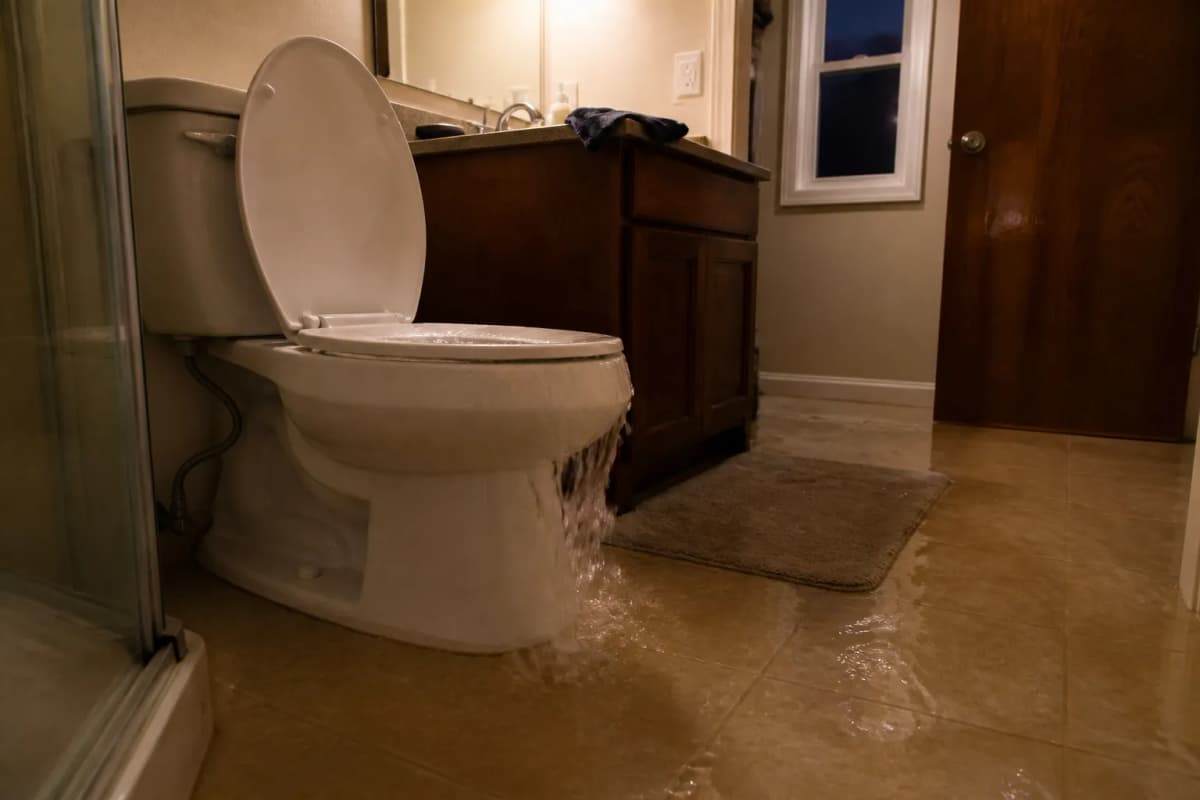
A scheduling system can offer an available slot without understanding why someone called. That is a problem when a caller reports water spreading from a toilet and the workflow treats the request like a routine estimate. The fix is to distinguish the reason for the call before asking the caller to choose a date.
Define three different destinations
These are operational queues, not technical classifications of damage.
A new, ongoing situation
A caller reporting an active problem needs the company’s configured review or escalation path. Capturing the inquiry should not imply that a crew has accepted it.
A request to assess an earlier event
A caller may be asking about damage discovered yesterday, an odor, or an estimate. Your team determines how that request should be scheduled based on its policy and the available information.
An existing job question
A homeowner asking when equipment will be collected should reach the active-job workflow. Creating another new-loss record can confuse both scheduling and reporting.
Ask about the situation before the calendar
Confirm what the caller is seeing now, where it is happening, and whether this concerns a new inquiry or an existing job. Then follow the company’s routing rules. A request phrased as “Can I book someone?” can still describe an ongoing situation. Conversely, the word “emergency” alone does not establish the required technical response.
Avoid turning a phone script into contamination assessment. A qualified restoration professional should determine the conditions onsite. The caller should not be asked to inspect or clean potentially contaminated water as a prerequisite to getting a response.
Make booking language precise
A calendar entry and a confirmed emergency response are different commitments.
- Use “request received” when no team member has accepted the work.
- Use a callback window only when your team can honor it.
- Confirm an appointment only through the workflow authorized to reserve that slot.
- Do not describe an inspection request as a crew dispatch.
- Give the caller a clear next step when availability has not yet been established.
Test the failure you want to prevent
Use a fictional test call: a tenant reports an overflowing toilet, does not know whether the property manager has been contacted, and asks for the earliest appointment. Check whether your answering flow records the tenant’s relationship to the property and the ongoing conditions before offering a booking.
Then try the same address with a different request: the event happened last week and the property manager wants an estimate. The resulting route may differ, but both records should preserve the original description. Review the decisions with the person responsible for dispatch.
Scheduling questions
Should every toilet-related call go to the on-call team?
Use your company’s escalation policy and the reported circumstances. A plumbing question, an existing-job inquiry, and a new restoration loss need not follow the same route.
Can an answering flow both collect details and request a booking?
Yes, if the workflow distinguishes a request from a confirmed appointment and has access to the authorized booking process. Test what happens when no appropriate slot is available.
Connect the queues to your actual operation
Hank can be configured around different inquiry types and escalation rules. Bring examples of calls you do and do not want scheduled during setup. The coverage planning guide addresses who should own calls outside office hours.