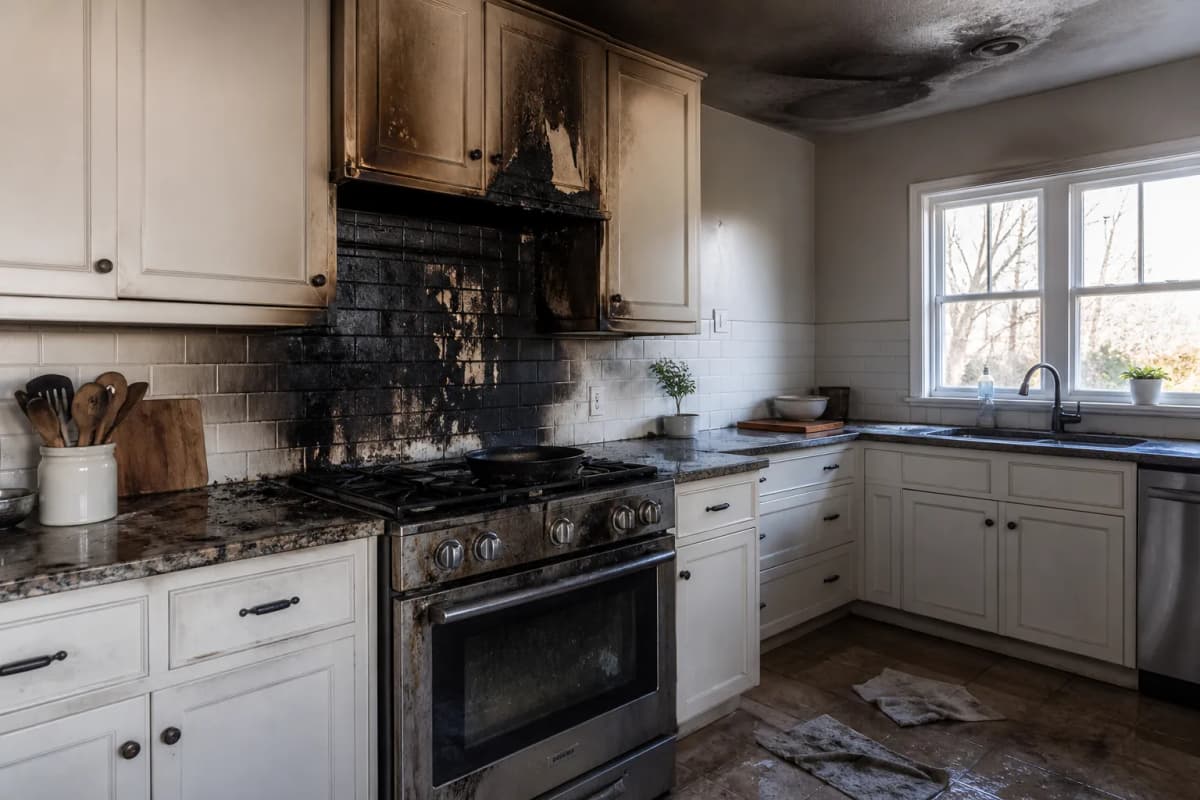
A call about a kitchen fire can describe an active emergency, a recent incident attended by firefighters, or a cleanup question days later. Those situations should not receive the same response. A restoration answering workflow needs to establish the stage of the incident before discussing the company’s recovery services.
Establish whether this is an emergency-services conversation
The answering system should use company-approved language for callers who describe an active fire or immediate danger. It should not attempt to coach firefighting or tell a caller a building is safe. Restoration scheduling comes after the appropriate emergency response.
The U.S. Fire Administration’s after-fire guidance advises checking with the fire department before entering a fire-damaged home. Record what the caller says responders have communicated; do not replace that decision with an answering script.
For a recovery inquiry, capture the context
Once the request concerns recovery work, collect information your team can use without asking the caller to investigate.
- The property address and a callback number for the person coordinating access.
- When the event occurred and whether responders or another contractor attended.
- The type of help requested: cleanup assessment, contents, temporary protection, or an existing-job update.
- The areas the caller reports affected by smoke, soot, water, or visible fire damage.
- Any known access restriction and the party responsible for authorizing entry.
- Whether there is an existing inquiry, claim reference, or property manager contact to associate with the request.
Do not infer the scope from the room where it started
A caller may describe burned food, a grease fire, or a damaged appliance. That description alone does not establish what surfaces or systems need attention. Avoid promising that cleaning one room will resolve the issue or giving a final price before assessment.
A good note preserves the caller’s observations and the service they requested. “Caller reports soot near the range and asks about a cleanup assessment” is a useful starting point. “Small job, kitchen only” is a conclusion the answering system may not be qualified to make.
Keep promises within the authority of the answering role
These boundaries should be agreed with your team before launch.
Availability
A captured request is not a confirmed crew response. State only the callback or appointment expectation your process can support.
Access
Record restrictions and route questions to the appropriate person. Do not ask a caller to re-enter for photographs or measurements.
Insurance
Capture available claim information when relevant. Questions about coverage and payment need the appropriate decision-maker.
Specialist work
Do not automatically promise services such as electrical repair or structural work unless they are within your operation’s approved scope.
Review one completed handoff with the field team
Use a fictional scenario during setup, then review the resulting note with the person who would receive it. Check whether they can identify the incident stage, requested service, access constraints, and unresolved questions. The aim is a clear next conversation, not a remote damage assessment.
For a general intake template, see restoration call intake. For the difference between answering and accepting a response, see restoration call handoffs.